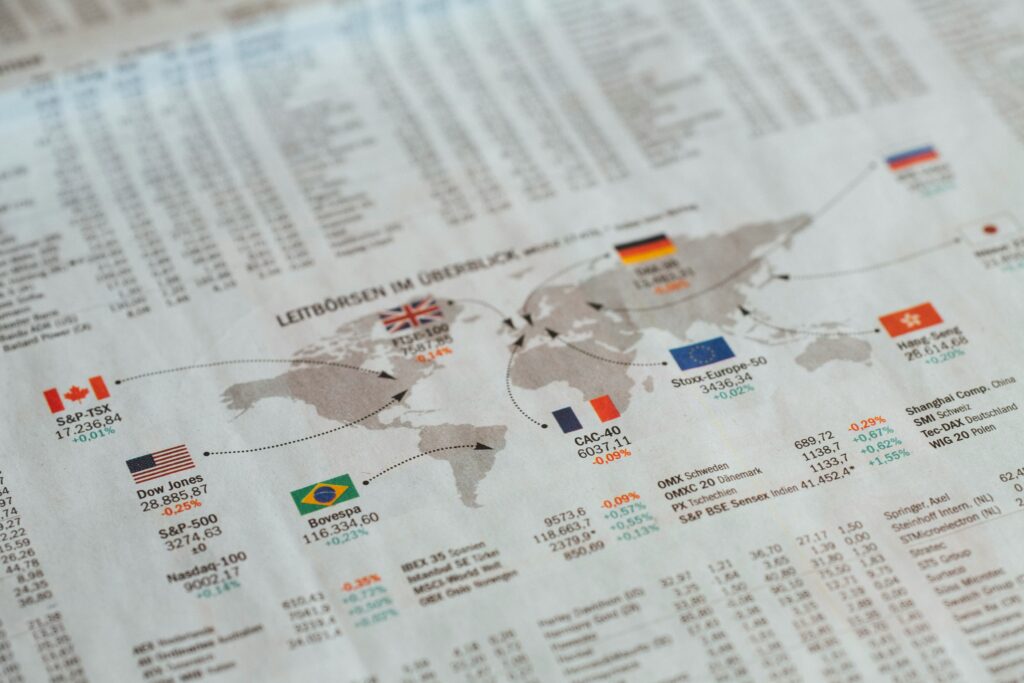

Rate Cuts (Finally?) in Sight
After months some might say years of tight money policy, central banks are hinting at a turn. Inflation is cooling, growth is uneven, and recession whispers haven’t gone away. That’s leading policymakers to consider dialing rates back down. The message isn’t loud yet, but it’s getting clearer: prepare for lower interest rates.
What does that mean in real terms? Cheaper loans, for starters. Mortgages, business credit, and consumer lending could get some relief. For anyone eyeing a new car or home, timing could play in their favor. On the flip side, savers may see yields shrink. High interest accounts and bonds won’t be the hot corner of the market forever.
Investors are already adjusting. Growth stocks, especially in tech, tend to benefit as borrowing costs fall. Risk appetite could widen. But here’s the catch: markets will be hypersensitive any mixed signals or inflation hiccups could spark short term chaos. If you’re in the game, stay sharp. This next phase will reward agility over assumptions.
Resilient but Uneven Global Recovery
Global economic recovery is no longer a blanket trend it’s a patchwork. While some countries are clawing back with speed, others are still dragging anchor. The reasons aren’t mysterious: policy decisions, supply chain adaptability, and energy dependencies are just a few of the levers.
For 2024, a few indicators tell the real story. First is inflation. While it’s cooling in major economies, the pace is uneven, and central bank responses reflect that. Keep an eye on interest rate differentials they’ll shape borrowing and investment. Unemployment is another signal; some regions are seeing tight labor markets, others are stuck with sluggish job growth. Finally, GDP trends will show which nations are actually expanding versus just staying afloat.
Staying tuned into these numbers isn’t just for analysts. Whether you’re investing, running a business, or just trying to understand the next six months, the macro view matters.
Explore the latest economy guide for deeper context.
AI, Automation, and Finance
Fintech isn’t just trending it’s rerouting the financial playbook. Robo advisors are now standard, not a novelty. They’re managing portfolios with less emotion and more data than many humans can process. Predictive algorithms are getting sharper too, helping financial firms spot patterns before they become problems or before they become opportunities. Fraud detection has leveled up thanks to AI tools that catch red flags in real time, not after the damage is done.
For consumers, this means convenience, faster approvals, and smarter guidance. For institutions, it means lower overhead and tighter risk control. But it’s not all upside trust and transparency still matter. Users want to know how decisions are made, even by machines.
Portfolio management has taken a leap forward, blending algorithms with human advisors. You get customization, but at scale. Wealth isn’t just for the ultra rich anymore these tools are making tailored strategies more available to the rest of us.
The bottom line? Money is moving faster and thinking smarter. It’s up to users and firms alike to stay savvy.
The ESG Crossroads

ESG investing isn’t going away, but the free ride is over. Once marketed as the feel good frontier of finance, Environmental, Social, and Governance funds are now under the microscope. Investors especially retail ones are asking tougher questions: What makes something truly sustainable? Who’s verifying these claims? And why do some ESG funds hold companies that don’t exactly scream climate conscious?
Regulators are beginning to step in. In the U.S. and Europe, proposed policies are aiming to tighten how funds can label themselves as ESG. This isn’t just red tape it’s a reality check. Funds will have to back up claims with real data, not marketing language. That matters for small investors who want their money to align with their values but don’t have time to dig into every fund’s portfolio.
For creators and platforms talking about finance, this shift is a content opportunity. Clearer definitions mean better tools for education and analysis. But the larger trend is this: the age of vague virtue signaling in ESG is ending. Transparency is now the buy in, not the bonus.
Crypto: Volatility, Regulation, Maturity
A New Phase for Crypto
Cryptocurrency isn’t going away but it’s no longer the wild west it once was. After years of volatility, hype cycles, and major crashes, the sector is now entering a slower, more regulated chapter.
The explosive growth era is cooling
Hype is giving way to infrastructure building and use case validation
Retail investors are more cautious, while institutions remain cautiously engaged
Tighter Government Oversight
Governments and regulatory bodies are cracking down more than ever but this doesn’t mean crypto is being stamped out. Instead, the focus is on rules, accountability, and investor protection.
Increased KYC (Know Your Customer) and AML (Anti Money Laundering) requirements
More clarity on taxation and classification of digital assets
Regulatory frameworks emerging in the EU, U.S., and Asia
These efforts aim to bring transparency and stability, which many institutional players actually welcome.
Signs of Maturity (or Slippage)?
Understanding whether crypto is finding its footing or faltering is key for investors and stakeholders. Some signs to watch:
Stabilizing prices: Still volatile, but erratic swings are less extreme than in past years
Institutional adoption: Major banks exploring blockchain, ETFs tied to crypto assets advancing
Developer activity: Continued innovation in Layer 2 solutions, DeFi infrastructure, and real world applications
Retail sentiment: Skepticism is up, but long term holding is more common among experienced users
Crypto in 2024 may not deliver headline grabbing surges but it could offer more measured, long term opportunity for those playing the long game.
Personal Finance Trends Worth Noting
Personal finance is having a moment not the flashy kind, but the kind that sticks. Budgeting apps have finally figured out how to actually help people, not just track expenses. Platforms like YNAB, Monarch, and Copilot are making planning feel less like homework and more like a useful daily check in. On top of that, money coaching is no longer a luxury service. It’s heading mainstream, with creators and platforms offering tailored advice that meets people where they are.
Millennials and Gen Z are at the center of this shift. They’re not into get rich quick schemes. They want to understand their money how to make it, keep it, and grow it. They’re demanding content that speaks in plain terms, avoids jargon, and delivers real takeaways.
And then there’s the rise of the “quiet investor.” This isn’t meme stock mania. It’s methodical. Think index funds, long term ETFs, dividend growth tracking. Less hype, more stability. These investors aren’t chasing the next big thing. They’re playing the long game and they’re building wealth while the noise dies down.
Financial education is no longer a side hustle it’s foundational. And the smart money is tuning in.
Staying Ahead
The economy doesn’t care if you’re paying attention but your portfolio will. Whether rates fall, tech reshapes the landscape again, or global tensions make another market wobble, staying informed isn’t optional. It’s survival.
For investors and individuals alike, 2024 is a year to monitor key signals. Interest rates still influence everything from borrowing to spending. Tech continues to redefine access, automation, and how fast your financial tools evolve. And geopolitics? It only takes one unexpected turn to shake confidence worldwide.
The move here isn’t panic it’s discipline. Stay diversified. Tune into the signals, not just the headlines. And make ongoing learning part of your strategy.
Check out the latest economy guide to stay one step ahead of the curve.
 Deyvian Orrendale has opinions about finance news and trends. Informed ones, backed by real experience — but opinions nonetheless, and they doesn't try to disguise them as neutral observation. They thinks a lot of what gets written about Finance News and Trends, Expert Financial Advice, Budgeting and Saving Insights is either too cautious to be useful or too confident to be credible, and they's work tends to sit deliberately in the space between those two failure modes.
Reading Deyvian's pieces, you get the sense of someone who has thought about this stuff seriously and arrived at actual conclusions — not just collected a range of perspectives and declined to pick one. That can be uncomfortable when they lands on something you disagree with. It's also why the writing is worth engaging with. Deyvian isn't interested in telling people what they want to hear. They is interested in telling them what they actually thinks, with enough reasoning behind it that you can push back if you want to. That kind of intellectual honesty is rarer than it should be.
What Deyvian is best at is the moment when a familiar topic reveals something unexpected — when the conventional wisdom turns out to be slightly off, or when a small shift in framing changes everything. They finds those moments consistently, which is why they's work tends to generate real discussion rather than just passive agreement.
Deyvian Orrendale has opinions about finance news and trends. Informed ones, backed by real experience — but opinions nonetheless, and they doesn't try to disguise them as neutral observation. They thinks a lot of what gets written about Finance News and Trends, Expert Financial Advice, Budgeting and Saving Insights is either too cautious to be useful or too confident to be credible, and they's work tends to sit deliberately in the space between those two failure modes.
Reading Deyvian's pieces, you get the sense of someone who has thought about this stuff seriously and arrived at actual conclusions — not just collected a range of perspectives and declined to pick one. That can be uncomfortable when they lands on something you disagree with. It's also why the writing is worth engaging with. Deyvian isn't interested in telling people what they want to hear. They is interested in telling them what they actually thinks, with enough reasoning behind it that you can push back if you want to. That kind of intellectual honesty is rarer than it should be.
What Deyvian is best at is the moment when a familiar topic reveals something unexpected — when the conventional wisdom turns out to be slightly off, or when a small shift in framing changes everything. They finds those moments consistently, which is why they's work tends to generate real discussion rather than just passive agreement.