
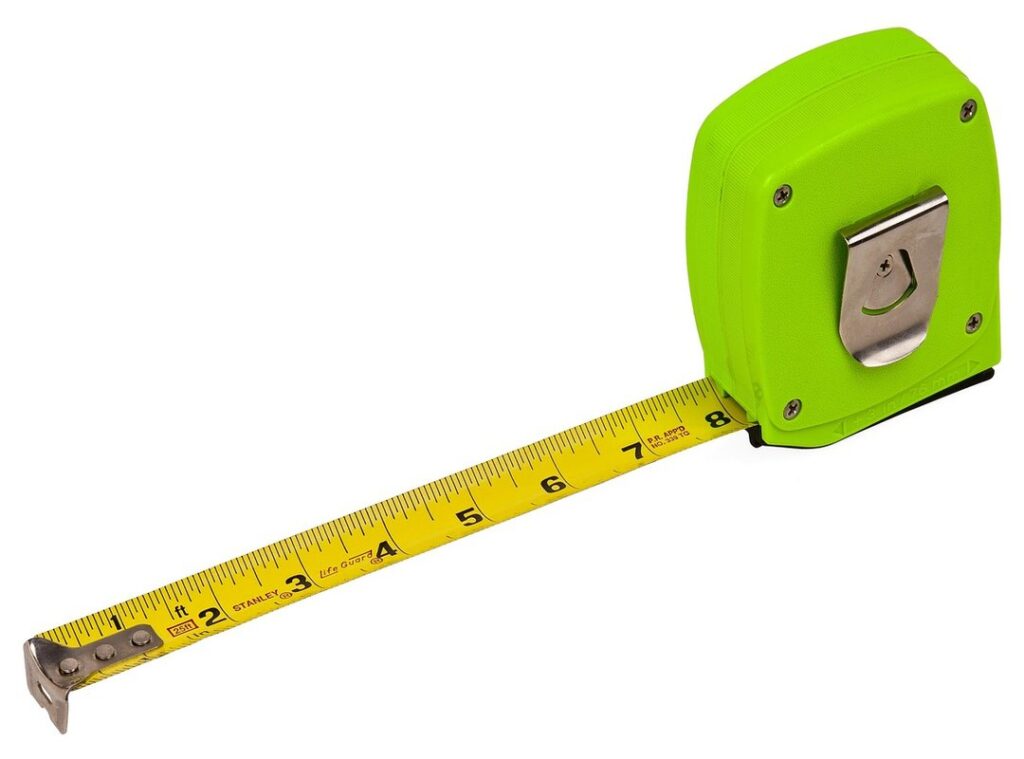
6.9 inches is equal to 17.526 centimeters.
An inch is a unit of length in the United States customary system of measurement. A centimeter, on the other hand, is a unit of length in the metric system, which most of the world uses.
This article will give you the answer and show you the simple formula to convert any inch measurement to centimeters.
I’ll also provide some real-world examples of objects that are 6.9 inches long, so you can better visualize the size.
The Simple Formula to Convert Inches to Centimeters
Let’s get straight to it. The universal conversion factor is 1 inch equals exactly 2.54 centimeters. This is the key number for any conversion.
Centimeters = Inches × 2.54.
Now, let’s walk through the specific calculation for 6.9 inch to cm. It’s simple: 6.9 in × 2.54 cm/in = 17.526 cm.
Why does precision matter? For general use, rounding to 17.5 cm might be acceptable. But for technical specifications, the full 17.526 cm is necessary.
Accuracy can make a big difference.
Some might argue that using an online converter is easier. Sure, it’s convenient, but understanding the formula gives you more control and flexibility. Plus, you won’t always have internet access.
You can use this formula for any other inch-to-cm conversion you need. It’s a handy skill to have.
For added value, here’s the reverse formula: Inches = Centimeters ÷ 2.54. This way, you can go both ways.
Visualizing the Size: What is 6.9 Inches Long?
Understanding measurements can be tricky, especially when you’re trying to picture them in your head. Let’s make it a bit easier by comparing 6.9 inches to some common household objects.
First up, a standard US dollar bill. It’s 6.14 inches long, so 6.9 inches is just a little longer than that. Imagine a dollar bill with a bit of extra length—there you go.
Next, let’s talk about a No. 2 pencil. When new, these pencils are typically around 7.5 inches long. So, 6.9 inches is slightly shorter than a new pencil.
Think of it as a pencil that’s been used a bit but still has plenty of life left. Dismoneyfied
Now, if you have a large ‘Pro’ or ‘Max’ smartphone, the diagonal screen measurement is often around 6.9 inches. That’s a good way to visualize it, especially if you’re familiar with these bigger phones.
Another relatable item is the height of a standard paperback book. These books are usually between 7 and 8 inches tall. So, 6.9 inches is just a tad shorter than a typical paperback.
I should note, these comparisons are approximate. Dimensions can vary slightly depending on the specific object, but they give you a pretty good idea.
In metric terms, 6.9 inches is about 17.5 cm. This might help if you’re more comfortable with the metric system.
Common Applications: Where You’ll See 6.9 Inches Used
When you hear 6.9 inches, chances are you’re thinking about consumer electronics.
Smartphone and phablet screen sizes are measured diagonally, and 6.9 inches is a popular size for flagship models. It’s that sweet spot where the screen is big enough for great viewing but still manageable for one-handed use.
But it’s not just about phones. In crafting or sewing, 6.9 inches is a critical measurement. Patterns and designs often require precise dimensions, and this size can be a key part of a project.
In hardware and DIY projects, component sizes like bolts or pipes might be listed in inches. If you need to convert 6.9 inch to cm for compatibility with metric parts, it’s essential to get it right. A small mistake can mean a big problem in your build.
Photo printing is another area where 6.9 inches comes into play. It’s very close to the 7-inch side of a standard 5×7 print. This makes it a handy reference when you’re framing or mounting photos.
Understanding this conversion is crucial for online shopping, especially when buying from international sellers who may use centimeters. Knowing 6.9 inch to cm can help you make sure you get exactly what you need.
Quick Reference: Inches to Centimeters Conversion Chart

I was working on a DIY project the other day and needed to convert 6.9 inches to cm. It’s one of those measurements that always trips me up. So, I figured others might find this chart useful too.
| Inches | Centimeters |
|---|---|
| 6.0 | 15.24 |
| 6.25 | 15.875 |
| 6.5 | 16.51 |
| 6.75 | 17.145 |
| 6.9 | 17.526 |
| 7.0 | 17.78 |
This chart is for quick reference for common measurements near 6.9 inches. It’s a handy tool when you need to convert inches to centimeters without doing the math yourself.
A Quick Look at Imperial vs. Metric Systems
The inch is part of the Imperial system, primarily used in the United States. Conversely, the centimeter belongs to the Metric system, which is the standard for the vast majority of countries worldwide. The need for conversion arises from these two different systems coexisting, especially in international trade, science, and travel.
Knowing the simple 2.54 conversion factor makes it easy to navigate between both systems confidently. For instance, 6.9 inch to cm can be quickly calculated using this factor.
 There is a specific skill involved in explaining something clearly — one that is completely separate from actually knowing the subject. Joseph Adamsenicos has both. They has spent years working with personal finance tips in a hands-on capacity, and an equal amount of time figuring out how to translate that experience into writing that people with different backgrounds can actually absorb and use.
Joseph tends to approach complex subjects — Personal Finance Tips, Budgeting and Saving Insights, Expert Financial Advice being good examples — by starting with what the reader already knows, then building outward from there rather than dropping them in the deep end. It sounds like a small thing. In practice it makes a significant difference in whether someone finishes the article or abandons it halfway through. They is also good at knowing when to stop — a surprisingly underrated skill. Some writers bury useful information under so many caveats and qualifications that the point disappears. Joseph knows where the point is and gets there without too many detours.
The practical effect of all this is that people who read Joseph's work tend to come away actually capable of doing something with it. Not just vaguely informed — actually capable. For a writer working in personal finance tips, that is probably the best possible outcome, and it's the standard Joseph holds they's own work to.
There is a specific skill involved in explaining something clearly — one that is completely separate from actually knowing the subject. Joseph Adamsenicos has both. They has spent years working with personal finance tips in a hands-on capacity, and an equal amount of time figuring out how to translate that experience into writing that people with different backgrounds can actually absorb and use.
Joseph tends to approach complex subjects — Personal Finance Tips, Budgeting and Saving Insights, Expert Financial Advice being good examples — by starting with what the reader already knows, then building outward from there rather than dropping them in the deep end. It sounds like a small thing. In practice it makes a significant difference in whether someone finishes the article or abandons it halfway through. They is also good at knowing when to stop — a surprisingly underrated skill. Some writers bury useful information under so many caveats and qualifications that the point disappears. Joseph knows where the point is and gets there without too many detours.
The practical effect of all this is that people who read Joseph's work tend to come away actually capable of doing something with it. Not just vaguely informed — actually capable. For a writer working in personal finance tips, that is probably the best possible outcome, and it's the standard Joseph holds they's own work to.