

405 pounds (lbs) is equal to approximately 183.7 kilograms (kg).
The pound (lb) is a unit of mass used in the imperial and United States customary systems. The kilogram (kg), on the other hand, is the base unit of mass in the International System of Units (SI), used by most of the world.
This article will give you the direct conversion, explain the formula, and offer some practical context for why this specific weight matters.
The Simple Math: How to Calculate Pounds to Kilograms
Start with an anecdote about a time I needed to convert pounds to kilograms. I was helping a friend move, and we had to figure out the weight of some boxes for shipping. We had the weight in pounds, but the shipping company required it in kilograms.
That’s when I realized how useful this conversion can be.
The primary conversion factor is simple: 1 kilogram is equal to approximately 2.20462 pounds.
To convert pounds to kilograms, use the formula: Kilograms = Pounds / 2.20462.
Let’s walk through the calculation for 405 lbs / 2.20462. This gives us 183.704 kg.
There’s also an alternative, simpler multiplication formula: Kilograms = Pounds * 0.453592.
Using the multiplication method, 405 lbs * 0.453592 equals 183.704 kg.
For most practical purposes, rounding to one or two decimal places is sufficient. So, 183.704 kg can be rounded to 183.7 kg.
It’s important to note that while both methods are accurate, using the multiplication method can be quicker and easier, especially if you’re doing multiple conversions.
In real life, these calculations come in handy more often than you might think. Whether you’re moving, shipping, or just curious, knowing how to convert 405lbs to.kg can save you a lot of hassle.
Why 405 Pounds is a Major Milestone in the Gym
You’ve probably heard of the 405 lbs milestone in weightlifting and powerlifting. It’s a big deal.
Imagine a standard 45 lb Olympic barbell with four 45 lb plates on each side. That’s what we call the ‘four-plate’ benchmark, and it looks impressive, and it is.
This milestone typically applies to lifts like the squat and the deadlift. These are compound movements that require a lot of strength and technique. Hitting 405 lbs in these lifts means you’ve put in serious work and dedication.
The level of strength required to lift 405 lbs is no joke. It’s a significant achievement that shows you’re not just a beginner anymore. You’ve likely been training for years, building muscle, and perfecting your form. 405lbs to.kg
In international competitions, weights are measured in kilograms. So, 405 lbs converts to 405lbs to.kg. This conversion is essential for athletes who compete globally or compare their stats with others around the world.
Knowing this conversion can also be useful in other areas. For example, if you’re into shipping freight or calculating livestock weight, understanding both pounds and kilograms can be a practical skill.
Reaching 405 lbs isn’t just about lifting heavy. It’s about setting and achieving a goal that marks a new level of strength and commitment.
Pounds to Kilograms Quick Reference Chart
This section is a handy reference guide for common weightlifting conversions. It’s designed to help you quickly find the equivalent weights in kilograms without needing a calculator.
| Pounds (lbs) | Kilograms (kg) |
|---|---|
| 135 | 61.23 |
| 225 | 102.06 |
| 315 | 142.88 |
| 405 | 183.71 |
| 495 | 224.53 |
| 100 | 45.36 |
| 200 | 90.72 |
| 300 | 136.08 |
| 400 | 181.44 |
| 500 | 226.80 |
The row for 405 lbs is bolded, making it easy to spot. This chart includes key weightlifting milestones like 135 lbs (one plate), 225 lbs (two plates), and 315 lbs (three plates).
To use the chart, simply find the weight in pounds on the left and read the corresponding weight in kilograms on the right. For example, if you see 405lbs to.kg, you can quickly find that it’s 183.71 kg. This makes it a lot easier to understand and compare weights in different units.
Frequently Asked Questions About Weight Conversions
Which is heavier, a pound or a kilogram?
A kilogram is heavier, and it contains about 2.2 pounds.
Why does the U.S. use pounds instead of kilograms?
The U.S. uses pounds because it’s part of the imperial system, which has deep historical roots. Most of the world, however, has adopted the metric system, making kilograms the standard. But let’s be real, the U.S. sticking to its own system isn’t just about history; it’s also about resistance to change and a bit of national pride.
How do I quickly estimate kilograms from pounds in my head?
To estimate kilograms from pounds, divide the pounds by 2, then subtract 10% of that result. For example, if you have 405lbs, divide by 2 to get 202.5, then subtract 10% (about 20) to get roughly 182.5 kg. It’s not perfect, but it gets you close.
Are there different types of pounds?
Yes, there are different types of pounds. The most common one is the avoirdupois pound, used for body weight and general measures. There’s also the troy pound, used for precious metals, but that’s not what you typically need for everyday conversions.
Converting Pounds to Kilograms
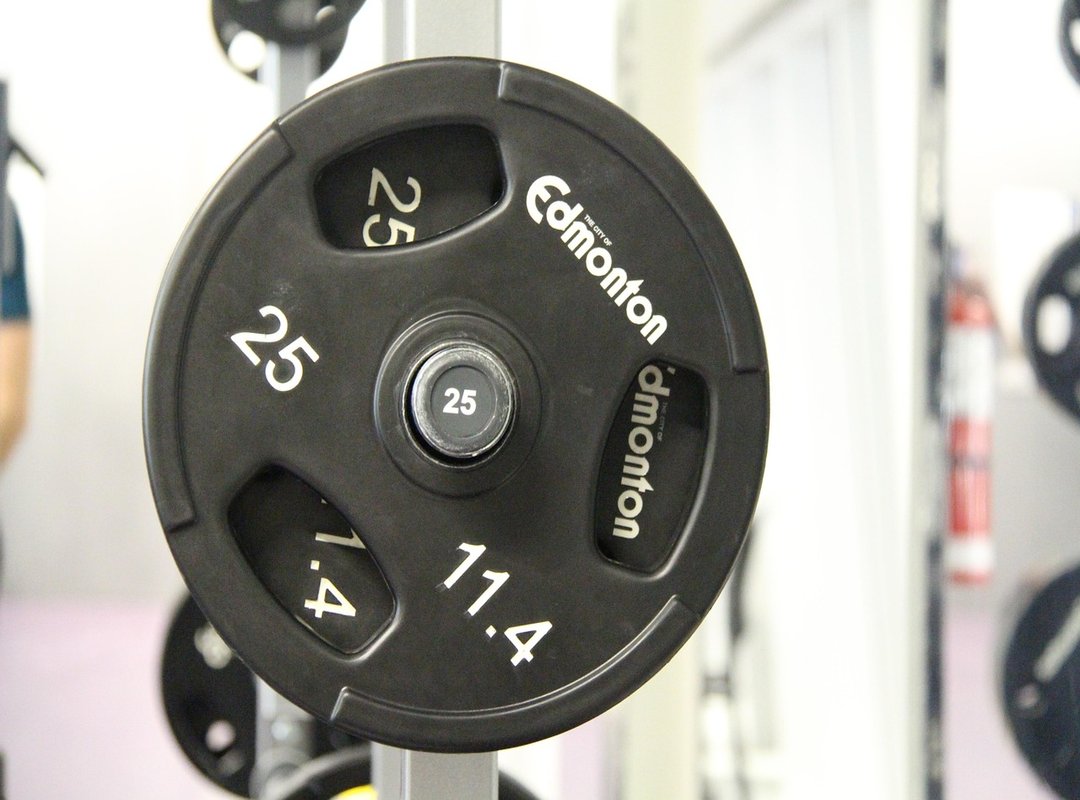
When converting pounds to kilograms, it’s important to use the correct conversion factor. 405lbs to.kg is a common query that requires this conversion. The formula to convert pounds to kilograms is simple: divide the number of pounds by 2.20462.
 There is a specific skill involved in explaining something clearly — one that is completely separate from actually knowing the subject. Joseph Adamsenicos has both. They has spent years working with personal finance tips in a hands-on capacity, and an equal amount of time figuring out how to translate that experience into writing that people with different backgrounds can actually absorb and use.
Joseph tends to approach complex subjects — Personal Finance Tips, Budgeting and Saving Insights, Expert Financial Advice being good examples — by starting with what the reader already knows, then building outward from there rather than dropping them in the deep end. It sounds like a small thing. In practice it makes a significant difference in whether someone finishes the article or abandons it halfway through. They is also good at knowing when to stop — a surprisingly underrated skill. Some writers bury useful information under so many caveats and qualifications that the point disappears. Joseph knows where the point is and gets there without too many detours.
The practical effect of all this is that people who read Joseph's work tend to come away actually capable of doing something with it. Not just vaguely informed — actually capable. For a writer working in personal finance tips, that is probably the best possible outcome, and it's the standard Joseph holds they's own work to.
There is a specific skill involved in explaining something clearly — one that is completely separate from actually knowing the subject. Joseph Adamsenicos has both. They has spent years working with personal finance tips in a hands-on capacity, and an equal amount of time figuring out how to translate that experience into writing that people with different backgrounds can actually absorb and use.
Joseph tends to approach complex subjects — Personal Finance Tips, Budgeting and Saving Insights, Expert Financial Advice being good examples — by starting with what the reader already knows, then building outward from there rather than dropping them in the deep end. It sounds like a small thing. In practice it makes a significant difference in whether someone finishes the article or abandons it halfway through. They is also good at knowing when to stop — a surprisingly underrated skill. Some writers bury useful information under so many caveats and qualifications that the point disappears. Joseph knows where the point is and gets there without too many detours.
The practical effect of all this is that people who read Joseph's work tend to come away actually capable of doing something with it. Not just vaguely informed — actually capable. For a writer working in personal finance tips, that is probably the best possible outcome, and it's the standard Joseph holds they's own work to.